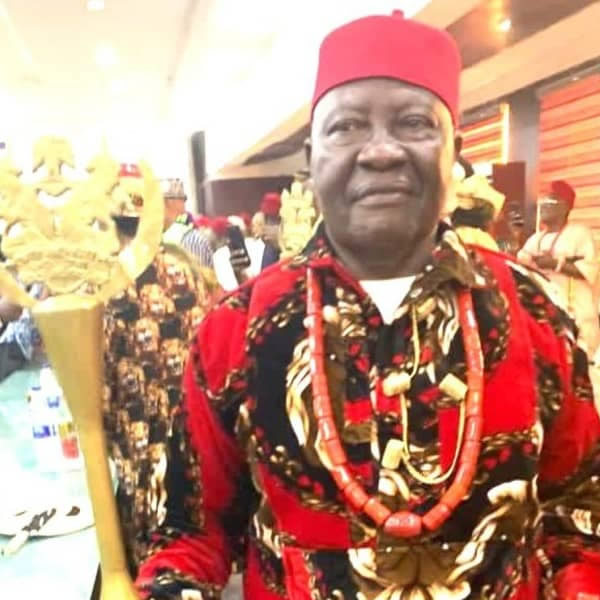
HRH Eze Austin Ukachukwu Oheri
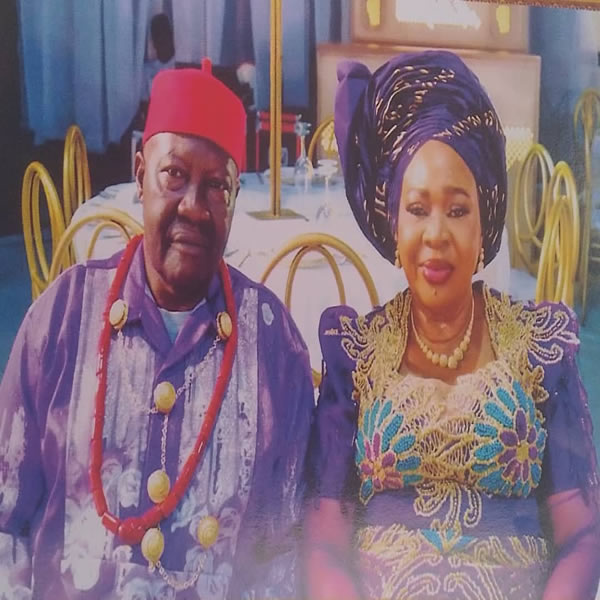
Udoabia V Ugoeze
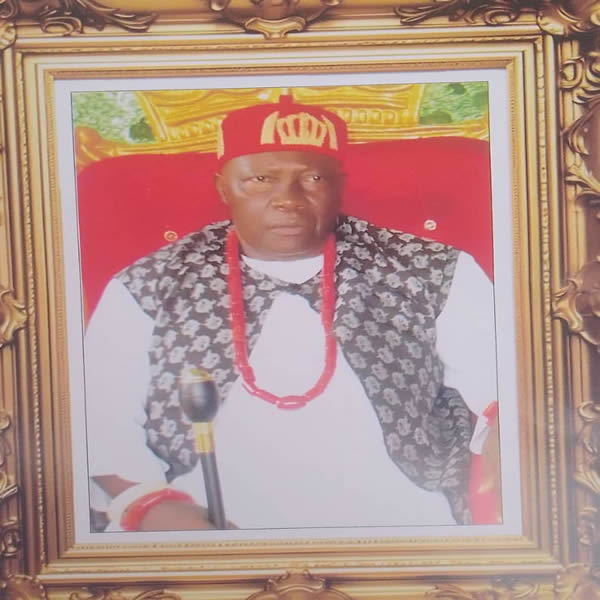
HRH Eze Austin Ukachukwu Oheri


An ancient community of peace, unity, and resilient heritage.
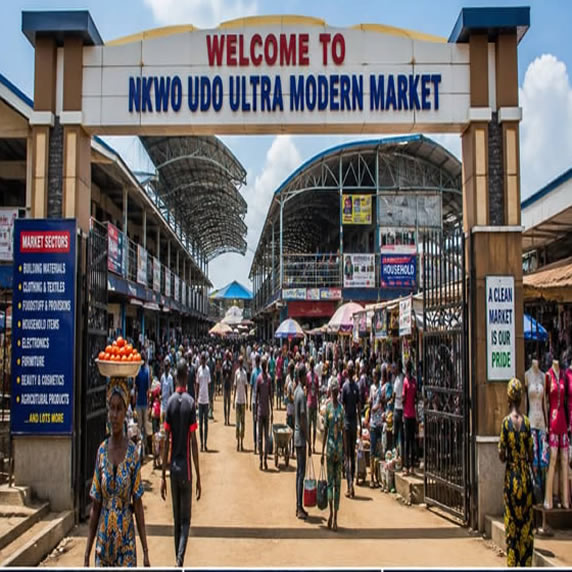
Udo is an ancient and autonomous community in present-day Nigeria, with a long-standing history of peaceful coexistence, cultural identity, traditional governance, and communal development. The name Udo is commonly associated with peace, reflecting the community's enduring emphasis on unity and peaceful relationships.
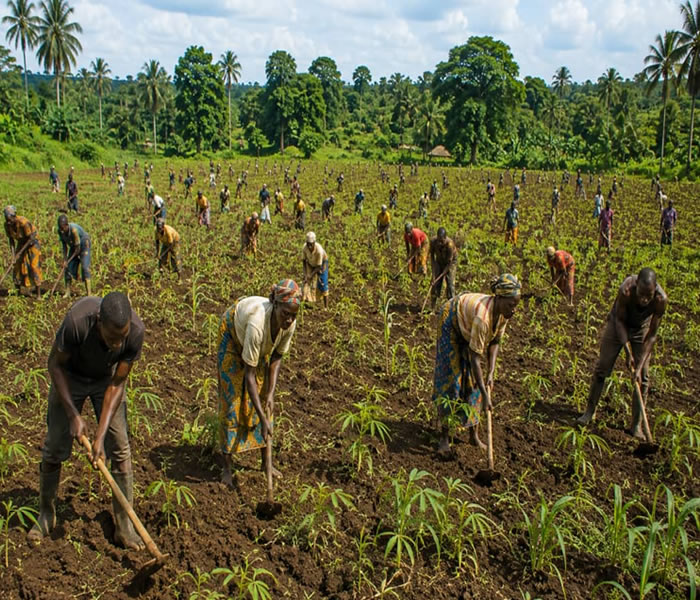
Udo developed as an organized community with its own traditional institutions and systems of leadership. The community's location also contributed to interaction and trade with neighbouring areas. Christianity, Western education, and commerce eventually influenced Udo. Traders from different parts of West Africa came into the area, while palm produce became an important part of the local economy. The Imo River and Opobo River routes facilitated movement and trade, helping Udo become connected with wider commercial activities.
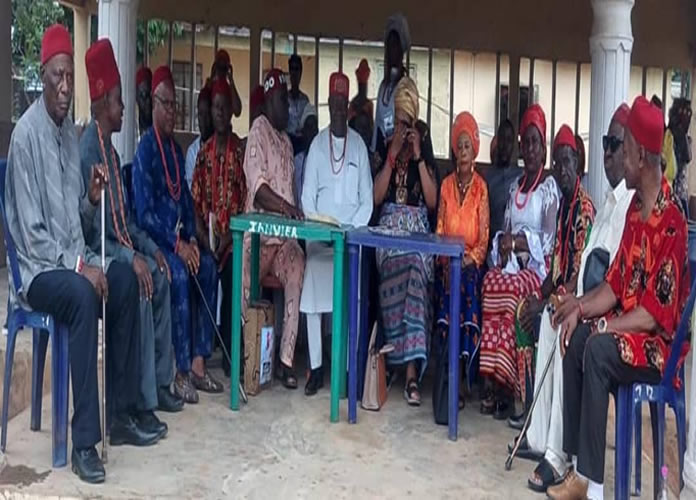
One of the strongest features of Udo's history is its traditional governance structure. The community maintained a hierarchical system based on families, kindreds, and villages. The Aladinma served as an important gathering and decision-making institution, providing a platform for consultation, conflict resolution, and matters affecting the community. Traditional institutions and titles such as Eze, Chiefs, Ndi Nze, Ime Ovu, Ugwu Eze, and Ndi Ichie form part of the community's traditional governance system. The Eze Udo Abia is identified as the paramount traditional ruler, with the traditional cabinet supporting the leadership.
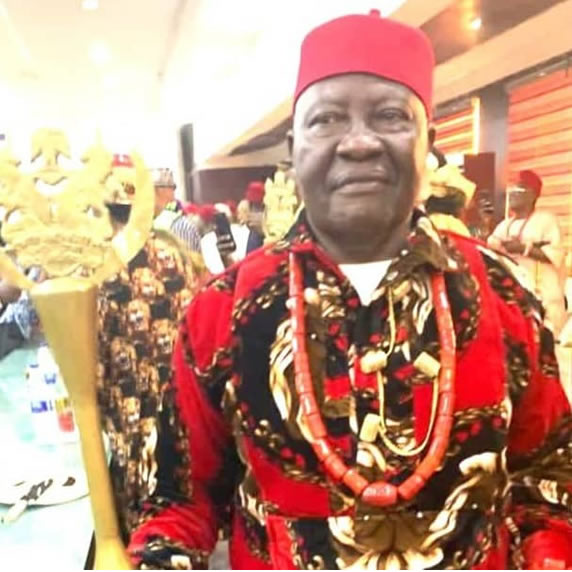
The recorded traditional rulers of Udo include:

Despite external influences over time, Udo has retained important aspects of its traditional social structure. Families and kindreds continue to provide a foundation for community organization, while the Aladinma remains an important mechanism for collective decision-making and conflict resolution. Age-grade associations, charitable organizations, social clubs, cooperative societies, social-media platforms, and the Udo People's Assembly in Nigeria and the Diaspora are contemporary structures contributing to social and economic development.
A central theme of Udo's history is peaceful coexistence. The annual Udo Day cultural celebration is an important occasion for bringing people together, celebrating the community's heritage, and opening families and homes to visitors.
Udo's strength lies in recognizing that what unites the people is greater than what divides them. The community's future depends on maintaining its cultural heritage while embracing development, unity, cooperation, and modern opportunities.

Udo's history is not only a story of migration and settlement but also one of peace, traditional leadership, family structure, cultural preservation, commerce, education, Christianity, community organization, and development.
"Udo is an ancient community founded upon a history of migration, peace, unity, traditional governance, and cultural resilience. From its ancestral roots and early settlement to the development of its traditional institutions, trade, education, and modern community organizations, Udo has preserved a strong sense of identity. Its Aladinma, traditional leadership, families, kindreds, and community associations continue to provide a foundation for collective development."
Today, Udo's heritage calls its people at home and in the Diaspora to preserve their history, strengthen unity, support one another, and build a prosperous future while remaining connected to their ancestral roots.
The Udo Day Celebration commenced on 26th December 1965, under the leadership of HRH Chief Aaron Ezebugwu Ohaeri.
This annual event brings together the people of Udo at home and in the diaspora to celebrate the community's rich heritage, unity, and cultural identity.
Udo is bounded by the following communities:
Udo Traditional Governance